Embarking on the exhilarating journey into the world of hockey, enthusiasts, regardless of age, often find themselves pondering a fundamental question: “How many periods in hockey make a complete game?” Fear not, as I unravel this query in a concise yet engaging manner. Picture a fast-paced spectacle unfolding in prespecified distinct acts, each lasting 20 minutes. These acts, dare I say, are the heartbeat of hockey.
Beyond mere time divisions, the periods strategically infuse suspense, offering players vital recovery breaks and transforming the game into a mental chess match. Join me as we explore the intricacies, entertainment, and communal magic that define the dynamic rhythm of hockey’s three-period symphony.
The Basics
A hockey game unfolds across three periods, each spanning 20 minutes. If you find yourself asking about how many quarters in hockey games there are, therefore, won’t I be well within my rights to spite you? Just kidding, we’re learning.
Back to our beloved game’s structure, these cumulative periods provide a continuous hour of high-octane action, immersing both players and spectators. An intriguing nuance is that the game clock ticks away even during puck downtime. This results in the buzzer concluding a period, irrespective of the remaining seconds. This peculiarity enhances the suspense inherent in hockey.
 The Three-Period Structure
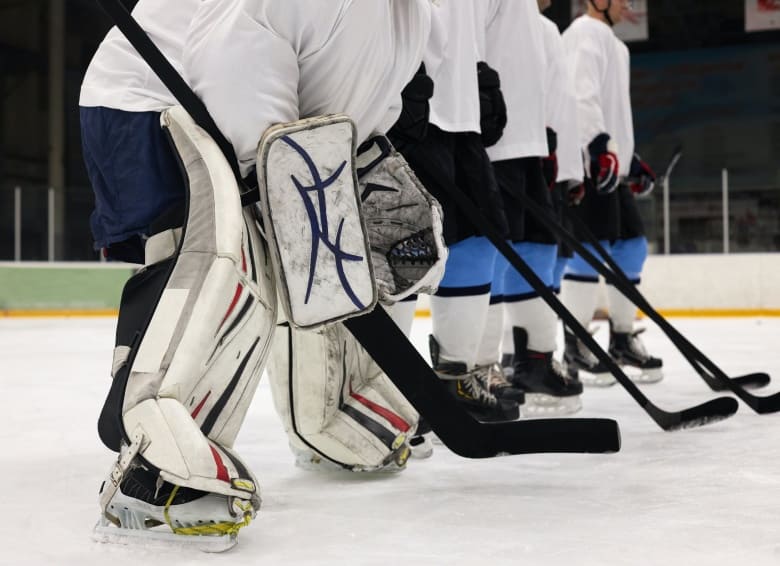
Hockey’s three-period format is a deliberate design enhancing the game’s physical and strategic aspects. This structure, featuring three distinct periods instead of a prolonged session, serves various purposes. A primary advantage is affording players essential breaks for recovery. Given hockey’s known physical intensity, the 20-minute intermissions are crucial for athletes to rest, hydrate, and strategize for the ensuing parts of the game.
Furthermore, the three-period setup significantly sustains excitement throughout the game. Each period unfolds like a captivating chapter in a story, progressively building suspense and captivating audiences until the final buzzer. This organized format introduces intriguing strategic considerations for coaches, turning the game into a mental chess match on the ice.
Coaches face critical decisions, pondering whether to alter tactics between periods or adhere steadfastly to the existing game plan. This strategic interaction adds an extra layer to the sport, making it not only physically demanding but also mentally engaging for both players and spectators.
Entertainment During Intermissions
As the buzzer sounds and players exit the ice, one might ponder, “What happens next?” Brace yourself for entertainment, as intermissions between periods herald the real spectacle. The transformation of the ice surface is a central part of this intermission magic.
The Zamboni, a large machine that looks like a futuristic spaceship, gracefully enters the rink. As it smoothly glides across the ice, it removes any imperfections and creates a perfect surface for the next period of play. This unexpected halftime show by the Zamboni adds a theatrical touch to the event, captivating the audience.
But the charm of intermissions goes beyond the mechanical wonder of the Zamboni. It becomes a multifaceted experience, including a variety of activities. Frohttps://www.wonderopolis.org/wonder/what-is-a-zambonim fun contests and exciting giveaways to impressive performances by local youth teams, these breaks infuse a festive atmosphere into the hockey event.
The arena becomes a mini celebration, similar to a lively carnival, where fans enjoy the diverse entertainment options, enhancing their overall hockey experience. Each intermission period becomes a chance for community engagement and shared excitement, creating lasting memories for spectators as they eagerly await the game’s continuation.
 Extra Hockey Thrills: Overtime and Shootouts
Having witnessed three periods of fervent action, a tied game ushers in overtime. This sudden death round sees the first team to score within five minutes emerge victorious. Departing from the standard 5-on-5 play, overtime transforms into a riveting 3-on-3 showdown, intensifying the pace and making every move a potential game-changer.
Should no goal materialize within the allotted time, a shootout unfolds. This one-on-one duel between skater and goalie persists until a definitive winner emerges, akin to soccer’s penalty shootout. Overtime and shootouts inject an additional layer of drama and suspense, keeping spectators on edge.
While the official game comprises three periods, brace yourself for the possibility of bonus hockey. Overtime and shootouts introduce extra excitement, ensuring each game holds the potential for a dramatic conclusion.
Understanding Penalties
Penalties in hockey involve players being sent to the “sin bin” by the referee for rule violations, akin to a brief timeout. Instead of sitting in a corner, players cool off in the penalty box. The duration of penalties ranges from two to ten minutes or more, depending on the severity of the offence. Common penalties include tripping, slashing, and the dramatic act of “fighting,” contributing to hockey’s occasional on-ice scuffles, giving the sport a wild west touch.
An intriguing fact is that if a team is already on a power play (having more players on the ice due to an opponent’s penalty), scoring a goal elicits a big cheer. This creates a double dose of excitement, making power play crucial moments in a game.
Cheering for Your Team
For individuals venturing into hockey, there’s a magical aspect to joining the crowd, chanting, and cheering for the home team. It transcends being merely a game. It becomes a communal experience, an opportunity to connect with fellow fans through the highs and lows of each period. We are social beings, after all.
Fans worldwide resonate with their favourite players, and it is, nevertheless, commonplace to see frustrated fans if their players or teams are underperforming. This occurrence, by the way, happens to be a uniting characteristic of all avid sports fans. Their teams are a part of them, hook, line, and sinker.
Whether watching live at the arena or catching the game on TV with friends, being part of the energy defines the unique appeal of hockey. So, when asked about the number of periods in a hockey game, confidently respond with “three” and share the game’s excitement like a true hockey enthusiast.
Wrapping It Up
As I wrap things up, answer this, “How many periods in a hockey game are there?” You got it, didn’t you? And thus, my work here is done. I set out on a journey to break things down as simply as I can, and the fact that you’re still here is a huge boost of confidence on my part.
While hockey may seem like a complex dance on ice, at its core, it’s a thrilling sport with a rhythm dictated by three intense periods. The three-period structure of a hockey game serves as the foundation for its strategic and captivating nature. The intentional breaks between periods provide players with essential recovery time while sustaining excitement for spectators. The unique halftime spectacle, featuring the Zamboni and entertaining intermissions, adds a festive touch to the overall experience.
Overtime and shootouts introduce an extra layer of thrill, ensuring each game has the potential for a dramatic conclusion. Penalties contribute to the sport’s intensity, with power plays creating double doses of excitement.
However, beyond the technicalities, hockey transcends into a communal experience. It is, in essence, a magical connection forged through cheering for the home team. Whether at the arena or with friends, embracing the energy of hockey defines the unique allure of this dynamic sport. So, confidently affirm the three hockey periods and share in the excitement like a true hockey enthusiast.